


In the UK, https://holdandwin.net/, esports events have evolved beyond mere contests, now integrating downtime hold and win activities that captivate audiences during pauses. These interactive activities not only enhance gamer interaction but also nurture a feeling of camaraderie. Games like “Big Bass Bonanza” offer tactical choices aspects that connect with viewers. As this movement gains momentum, one must consider how these advancements affect the prospects of esports and the playing community at large.
The Growth of Esports in the United Kingdom
As the globe embraces digital competition, the rise of esports in the United Kingdom has ignited a cultural shift that redefines amusement and fair play. Increasingly, conventional views of physical prowess are being questioned as gamers demonstrate strategic thought, collaboration, and skill in extremely challenging environments. Large competitions draw many, both virtually and in-person, fostering a feeling of community among players and fans alike. This evolution isn’t just about playing; it signifies a new era of career prospects spanning endorsements, content creation, and event management. The UK, with its strong internet network and young involvement, positions itself at the forefront of this transformation, ready to influence global esports trends. As esports gains legitimacy, it sparks debates on its impact on society and the future of competition.
Understanding Break Pause and Play Games
In the realm of esports, downtime hold and win games are capturing players’ attention with their unique mechanics and lively gameplay. Examining popular games shows different strategies that players utilize to excel and maximize their winnings. Understanding these elements not only improves player enjoyment but also sheds light on the evolving environment of esports contests.
Game Mechanics Summary
Understanding the complex dynamics of downtime hold and win games is vital for both players and developers in the esports domain. These games offer distinctive challenges and strategies that require players to adapt their skills. Key mechanics include:
- Token Accumulation
- Progressive Features
- Risk and Reward Structures
- Dynamic Events
Mastering these components not only enables players to excel but also helps developers create more engaging gaming experiences. Understanding these mechanics can greatly influence a player’s ability to succeed in competitive esports environments.
Popular Titles Explored
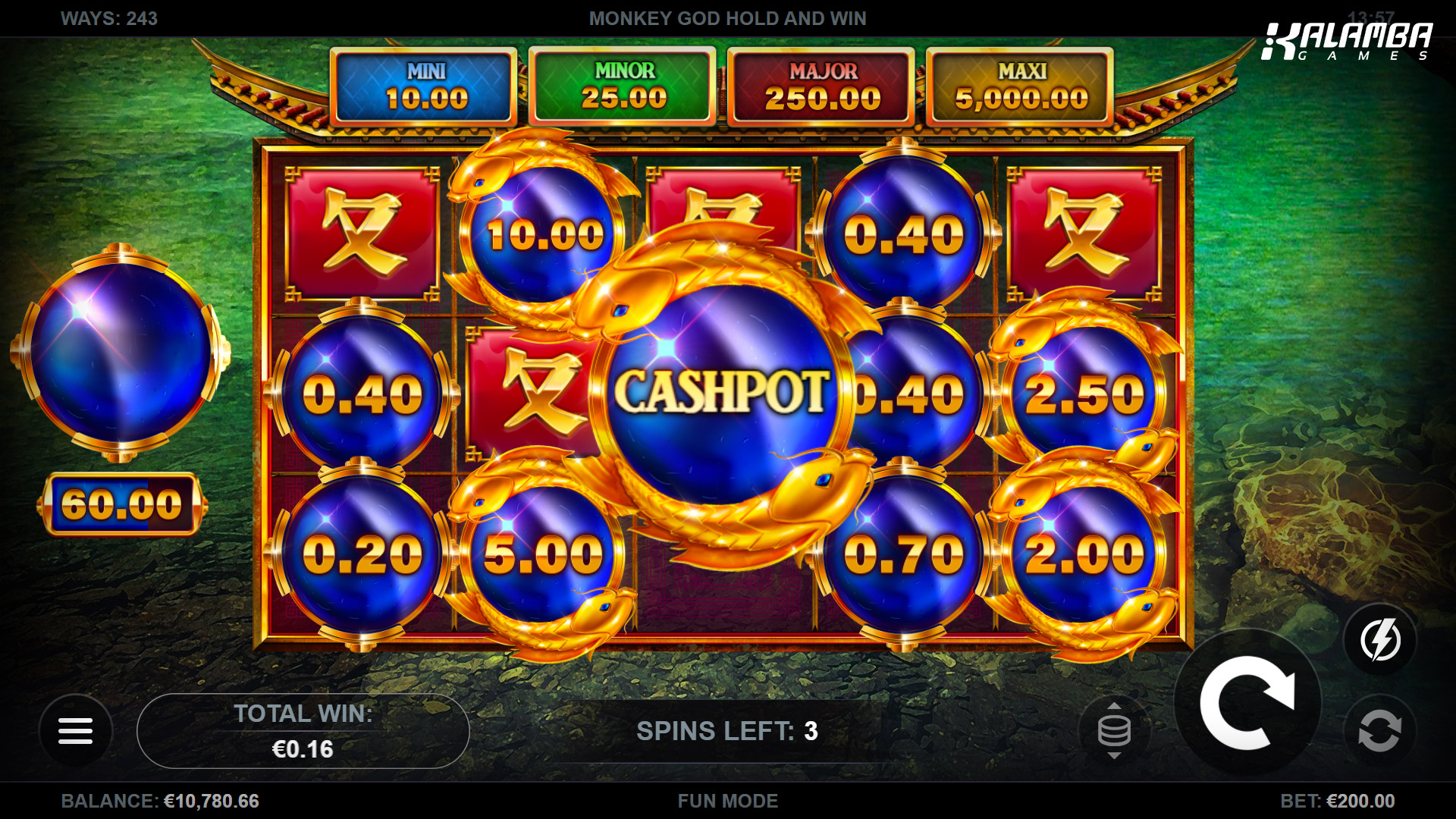
Several popular titles represent the exciting mechanics of downtime hold and win games, displaying unique approaches to gameplay that involve players. Games such as “Big Bass Bonanza” and “Dragon’s Gold” not only charm through immersive themes but also offer user-friendly mechanics that require strategic thought. Each title incorporates captivating visuals and fluid animations that improve player immersion, presenting opportunities for substantial rewards during downtime phases. Additionally, these games often employ bonus rounds and locking symbols, creating participatory experiences that encourage players to adapt their strategies. By understanding each game’s unique features, enthusiasts can recognize the nuanced design choices that encourage player involvement and satisfaction, cementing their place in the competitive arena of esports events.
Strategies for Success
While players immerse themselves in leisure hold and win games, mastering effective strategies is crucial for boosting their success. Accomplished players execute a combination of skill and strategic approaches to improve their gameplay. Key strategies include:
- Understanding Game Mechanics
- Resource Management
- Analyzing Opponents
- Practice and Adaptation
The Appeal of Casual Gaming During Esports Events
As esports events attract massive crowds and intense competitive energy, many attendees often turn to casual gaming to offset the high-stakes atmosphere. This shift allows players to engage in stress-free environments, promoting ease amidst intense battles. Casual gaming serves as an convenient alternative, where participants can enjoy easygoing competition or cooperative experiences without the pressure of serious stakes. Additionally, these games provide a social outlet, enabling engagements that enhance camaraderie among attendees. The simplicity and variety of casual titles cater to diverse preferences, making them attractive during downtime. By embracing casual gaming, players can recharge and maintain excitement for the main event, ultimately enriching their overall experience at esports gatherings.
Community Engagement Through Downtime Games
During esports events, downtime games serve as an crucial tool for improving player interaction and cultivating a competitive spirit. By engaging the audience through laid-back yet competitive activities, these games create a lively community atmosphere that keeps participants connected. This engagement annualreports.com not only maintains excitement but also fosters trust and camaraderie among players, ultimately improving the overall event experience.
Enhancing Player Interaction
How can downtime during esports events transform player interactions into engaging community experiences? By leveraging this time efficiently, organizers can create a lively environment where players interact substantially with one another. Here are some ways to boost player interaction:
- Interactive Polls
- Mini-Games
- Discussion Panels
- Live Q&A Sessions
Ultimately, these strategies convert downtime into an engaging, participatory experience that strengthens bonds within the esports community.
Nurturing Competitive Spirit
While breaks might initially seem like a basic pause in the action, it presents an irreplaceable opportunity to foster a competitive spirit among players. During these intervals, participants can engage in small competitions or casual challenges, maintaining their competitive edge. Introducing ranking boards further encourages healthy rivalry, as players vie for prime positions and recognition. Many esports events make use of downtime to host engaging games, allowing players to display their skills while building camaraderie within the community. This engagement not only boosts the overall experience but also strengthens investment in the esports culture. Essentially, downtime evolves into a lively battleground, where players can improve their strategies and encourage a sense of belonging, ultimately improving the competitive atmosphere of the event.
The Impact on Viewership and Audience Retention
As esports events face unexpected downtime, the effects on viewership and audience retention become progressively apparent. This interruption can impact the excitement of engaged audiences, leading to notable consequences for event organizers. Factors influencing audience behavior include:
- Loss of Momentum
- Distraction
- Viewer Fatigue
- Brand Perception
Understanding these factors is essential for stakeholders to develop strategies that can reduce downtime’s effects and boost the overall viewing experience, ensuring audience retention and loyalty.
Future Trends in Esports and Casual Gaming
With the swift development of technology and shifting demographics, esports and casual gaming are set for exciting transformations in the upcoming years. The fusion of enhanced and simulated reality is poised to improve immersion, permitting players to experience gaming worlds like at no other time. Additionally, the rise of mobile gaming is broadening access, appealing to a larger crowd that comprises senior demographics. As game development advances, developers will prioritize diversity and community development, recognizing that social interaction is crucial to sustained participation. Moreover, data analysis will fuel personalized gaming interactions, customizing material to individual preferences. Finally, the fusion of esports and traditional sports may obscure distinctions, creating combined occasions that fascinate varied viewers and set new benchmarks for competition and entertainment.
Bridging the Gap Between Competitive and Casual Gaming
Although competitive and casual gaming may appear worlds apart, they progressively share a common basis that benefits the whole gaming community. Developers concentrate on narrowing this separation, developing engagements that appeal to both crowds.
Key elements supporting this cooperation include:
- Shared Platforms
- Inclusive Design
- Events and Tournaments
- Accessible Content
This merging supports gaming community, encouraging ability enhancement and expanding engagement.
Conclusion
To summarize, the integration of downtime hold and win games into UK esports events represents a significant progression in how viewers engage with competitive gaming. By blending engaging mechanics with community interaction, these games not only keep viewer interest but also cultivate a more inclusive environment. As esports expands, the balance between competitive and casual elements will be vital in boosting audience retention and nurturing a lively gaming culture, solidifying the UK’s position on the global esports stage.